


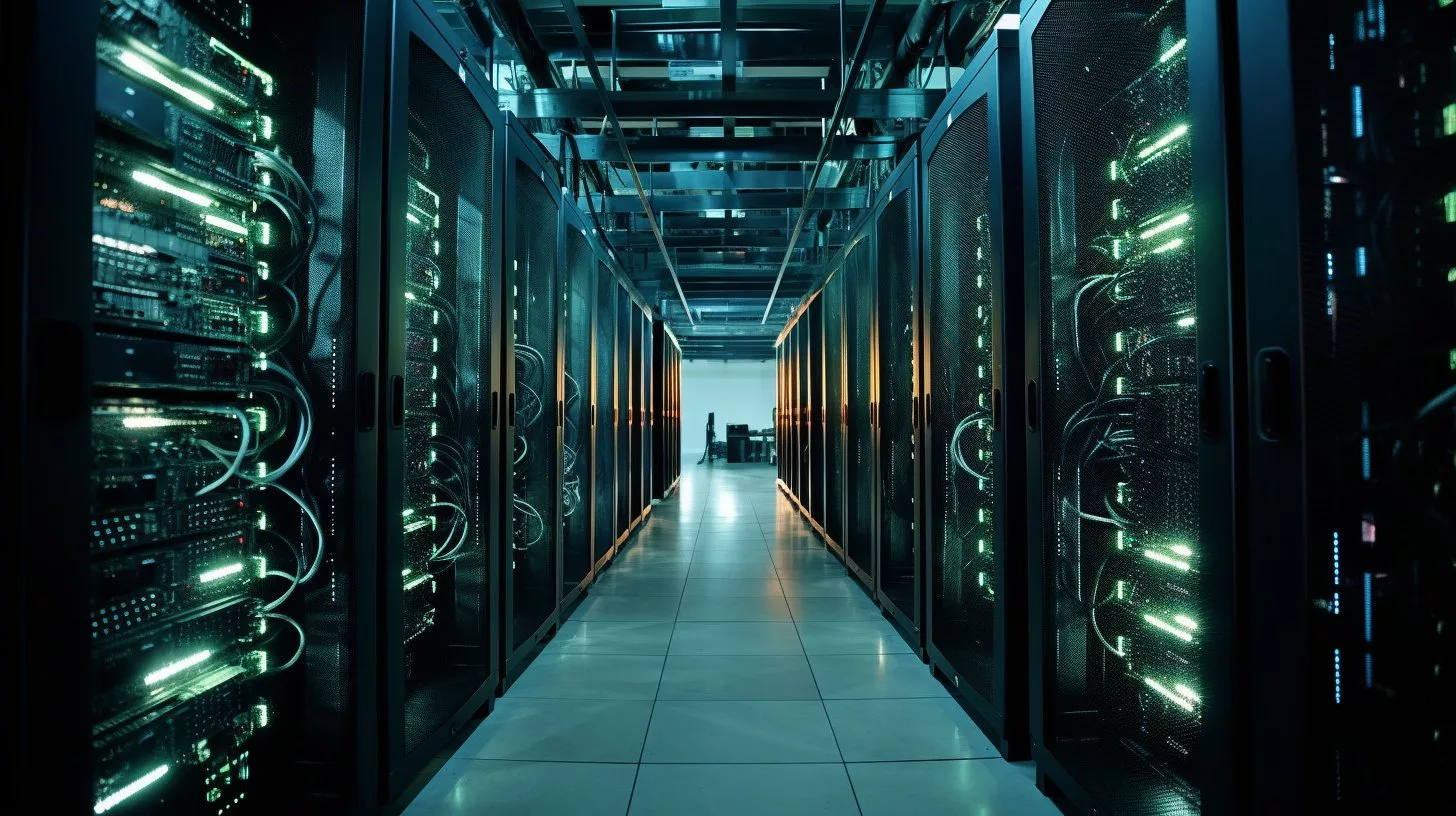
The artificial intelligence industry is experiencing unprecedented growth, and behind every AI breakthrough lies a massive network of AI infrastructure. From hyperscale data centers to trillion-dollar cloud investments, the global tech sector is racing to secure the computing power needed for the next generation of AI models.
According to Nvidia CEO Jensen Huang, total spending on AI infrastructure is expected to reach $3–4 trillion by 2030. This surge in demand is putting immense strain on power grids, construction capacity, and energy systems worldwide.
In this article, we break down the biggest AI infrastructure deals fueling the boom, from Microsoft and OpenAI to Oracle, Meta, and the $500B Stargate project.
Microsoft and OpenAI: The $14 Billion AI Partnership
One of the most influential AI infrastructure investments began in 2019, when Microsoft invested $1 billion in OpenAI. This partnership made Microsoft the exclusive cloud services provider for OpenAI via its Azure platform.
Over time, Microsoft’s investment grew to nearly $14 billion, much of it in Azure cloud credits to support OpenAI’s massive computing needs. This deal not only strengthened Microsoft’s position in the cloud market but also set the standard for future AI cloud partnerships.
By 2025, OpenAI shifted away from exclusive reliance on Microsoft, choosing multiple providers. Still, the early partnership remains a landmark in the evolution of AI infrastructure spending.
Oracle’s $300 Billion Cloud Services Expansion
Oracle has emerged as a surprising powerhouse in the AI race. In 2025, the company announced two groundbreaking cloud service agreements with OpenAI:
- A $30 billion cloud services deal revealed in June.
- A staggering $300 billion five-year contract for compute power, starting in 2027.
These billion-dollar investments transformed Oracle into a major player in AI infrastructure, pushing its stock to new highs and briefly making Larry Ellison the richest man in the world.
The scale of these deals proves that AI cloud services are not just about technology — they are reshaping global financial markets.
Meta’s Hyperscale Data Centers and $600 Billion Investment
While Microsoft and Oracle focus on cloud partnerships, Meta is building its own hyperscale infrastructure. CEO Mark Zuckerberg announced plans to spend $600 billion on U.S. infrastructure by 2028.
Key projects include:
- Hyperion (Louisiana): a $10 billion, 2,250-acre data center providing 5 gigawatts of compute power, supported by nuclear energy.
- Prometheus (Ohio): set to launch in 2026, running primarily on natural gas.
- A $10 billion Google Cloud partnership to expand AI capacity.
These investments solidify Meta’s position as a leader in hyperscale AI data centers, but they also raise questions about sustainability and environmental impact.
Stargate: The $500 Billion AI Infrastructure Megaproject
The largest AI infrastructure project announced to date is Stargate, a joint venture between SoftBank, Oracle, and OpenAI, backed by the U.S. government.
- Total investment: $500 billion.
- SoftBank provides funding.
- Oracle manages the infrastructure buildout.
- OpenAI supplies technical expertise.
Eight massive data centers are under construction in Abilene, Texas, with completion expected by 2026. While some experts question the financing, the project is already being hailed as a historic AI infrastructure milestone.
Conclusion: The Trillion-Dollar Future of AI Infrastructure
From Microsoft’s $14 billion OpenAI partnership to Oracle’s $300 billion cloud expansion, the race for AI infrastructure is transforming the global tech industry. Meta’s $600 billion U.S. investments and the $500 billion Stargate project show that the future of artificial intelligence depends not only on algorithms but also on the trillion-dollar infrastructure powering them.
These billion-dollar AI projects will define the next decade, shaping everything from cloud computing and data centers to energy systems and the global economy.
One fact is clear: the demand for AI cloud services and hyperscale data centers is just beginning — and the competition will only intensify.