


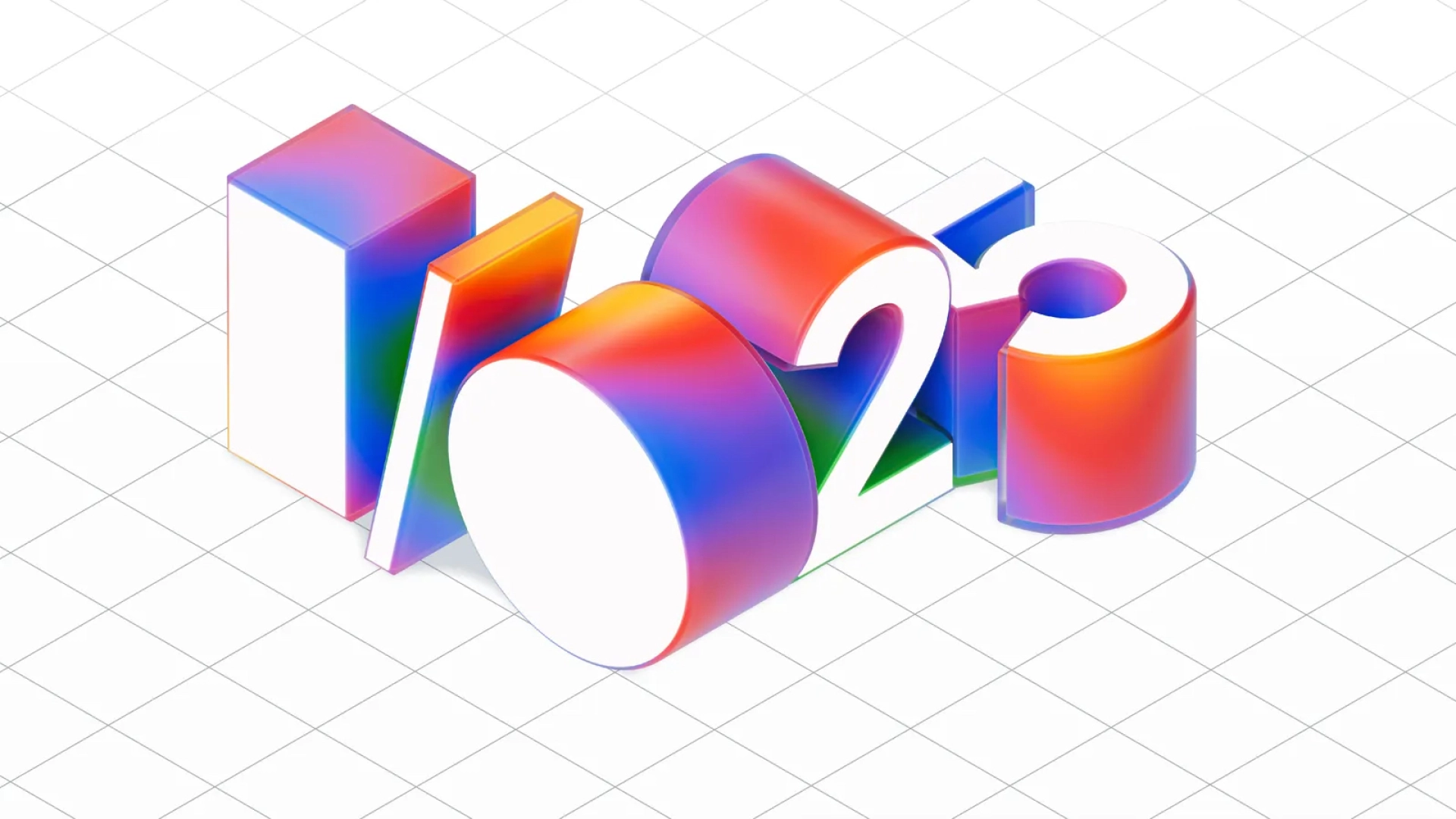
Google I/O 2025 delivered one of the most ambitious and transformative keynotes in the company’s history. With groundbreaking updates to Gemini, new hardware innovations, major Android advancements, and next-generation AI tools for developers, Google made it clear that its product ecosystem is entering a new era — one where real-time multimodal intelligence is at the core of every experience.
Below is a full breakdown of the 15 biggest announcements, why they matter, and how they will shape the future of consumer tech, productivity tools, and AI-powered software development.
1. Gemini 2.0: The Most Advanced Google AI Model Yet
Google launched Gemini 2.0, its most capable and efficient multimodal model to date. It offers:
- dramatically faster inference speeds
- improved long-context reasoning
- enhanced multimodal understanding (video, image, audio, code)
- state-of-the-art performance on industry benchmarks
A key highlight is the new Continuous Multimodal Processing Engine, allowing Gemini to interpret information from multiple sources simultaneously — ideal for agents, autonomous workflows, and real-time decision-making.
2. Gemini Live: Human-Level Voice Conversations
Gemini Live is Google’s new natural, interactive AI voice system designed to replace traditional digital assistants.
Features include:
- lifelike conversational flow without robotic pauses
- dynamic emotional tone adjustment
- real-time environment contextualization
- instant access to on-device and cloud intelligence
This positions Google as a direct challenger in the emerging market of real-time AI companions and intelligent agents.
3. Android 15 With Integrated AI Core
Android 15 introduces a dedicated AI Core, making the OS more autonomous and intelligent.
Key improvements:
- faster app performance with local AI processing
- privacy-first on-device models
- new APIs for generative AI features
- dynamic UI personalization powered by Gemini
This marks the biggest AI shift in Android since its launch.
4. New AI Editing Suite for Photos & Videos
Google Photos received a suite of advanced editing capabilities:
- AI-generated video scenes
- automatic removal of objects and people
- restoration of low-quality footage
- cinematic video transitions
Google is positioning Photos as a full AI-powered creative studio for everyday users.
5. Pixel 10 With On-Device Gemini Mini
The Pixel 10 lineup integrates Gemini Mini — a small, highly optimized model running entirely on-device.
It enables:
- offline translation and transcription
- real-time summarization
- AI-driven call assistance
- instant voice commands
- local privacy protection
This elevates Pixel’s status as the most AI-capable smartphone on the market.
6. Project Astra: Real-Time Vision Assistant
Perhaps the most impressive demonstration of I/O 2025 was Project Astra, Google’s next-gen visual intelligence system.
Capabilities include:
- real-time object recognition
- contextual reasoning about scenes
- answering questions about everything your camera sees
- assisting with tasks like troubleshooting, cooking, assembling, or locating items
Astra is Google’s bold step into the world of always-on AI perception, similar to what OpenAI and Apple are building.
7. Smarter Google Search With AI Overviews 2.0
Google Search is evolving into a hybrid AI engine + traditional search tool.
New features:
- deeper contextual results
- improved transparency for citations
- multimodal Overviews (video + text + image combined)
- personalized answers based on user preference
Google emphasized that AI Overviews will now favor trustworthy, well-optimized websites, making SEO more competitive than ever.
8. Chrome Gets Built-In AI Productivity Tools
The world’s most popular browser gets even smarter.
Chrome now supports:
- AI writing assistant in any text field
- webpage explanation + summarization
- inline coding suggestions for developers
- automatic data extraction from complex pages
This turns Chrome into a universal interface for AI-enhanced work.
9. Workspace AI Agent for Gmail, Docs & Sheets
Google introduced a unified AI agent across Workspace apps.
It can:
- generate reports, emails, and presentations
- automate multi-step workflows
- analyze spreadsheet data
- rewrite documents in custom tones
- connect Gmail + Docs + Drive + Calendar in one intelligent ecosystem
This is Google’s biggest productivity upgrade in a decade.
10. Wear OS 6 With Advanced Health AI
Wear OS 6 focuses heavily on wellness and medical insights.
Highlights:
- improved heart and sleep tracking
- stress-level prediction
- personalized training guidance
- early detection signals for health anomalies
Google aims to compete more aggressively with Apple’s Health & Fitness ecosystem.
11. Google Maps With AI Scene Understanding
Maps received a major visual technology overhaul.
New capabilities:
- real-time street-level scene recognition
- improved lane-level guidance
- enhanced AR navigation
- contextual place descriptions
Maps is becoming an intelligent travel assistant rather than just a navigation tool.
12. YouTube AI Tools for Creators
Creators now have access to advanced video tools such as:
- automatic multilingual dubbing
- AI-generated B-roll
- smart cutting and scene detection
- enhanced analytics with recommendations
YouTube wants to strengthen its role as the top platform for global content creation.
13. Firebase AI Extensions for Developers
Firebase expanded its toolkit with AI Extensions, enabling:
- LLM-based chat features
- image and video analysis
- automated content moderation
- conversational interfaces in apps
- code generation for backend workflows
Google wants to make it easier for developers to add AI without deep ML expertise.
14. Android Auto With Intelligent AI Assistance
Android Auto now includes:
- real-time message summarization
- smart trip recommendations
- proactive alerts based on traffic and weather
- AI-powered voice controls
This brings a safer, more intuitive driving experience.
15. New Privacy & AI Safety Features
Google emphasized responsible AI with:
- expanded user data controls
- on-device privacy protections
- AI transparency protocols
- safe content filtering for Gemini models
Privacy remains central to Google’s long-term strategy.
Conclusion
Google I/O 2025 clearly showcased the company’s commitment to building an intelligent, interconnected ecosystem powered by next-generation AI. From Gemini 2.0 to Project Astra and Android 15, Google is shaping a future where AI seamlessly enhances productivity, creativity, and everyday life.