


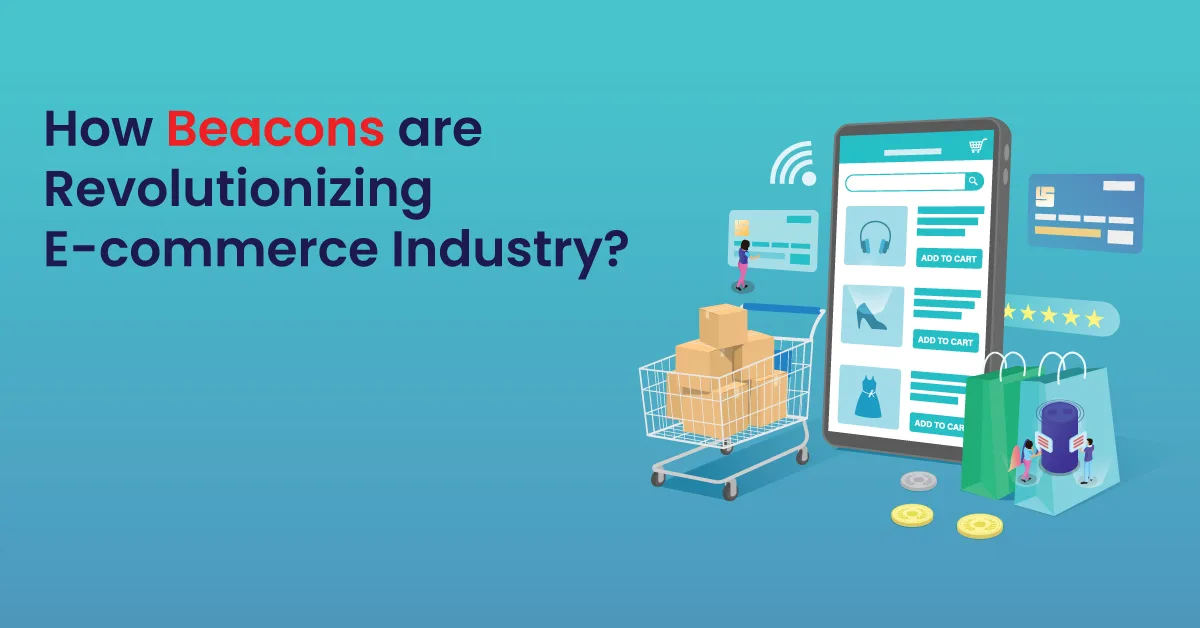
As retail continues to evolve in 2026, brands are searching for smarter ways to connect with customers in real time. One technology that continues to gain momentum is beacon technology—a powerful tool that enables proximity marketing and hyper-personalized in-store experiences.
In this guide, we’ll explain what beacon technology is, how it works in retail, and how brands are using it in 2026 to drive engagement, conversions, and loyalty.
What Is Beacon Technology?
Beacon technology uses small wireless devices called beacons that transmit Bluetooth Low Energy (BLE) signals. When a customer with a compatible mobile device enters a beacon’s range, the beacon can trigger location-based messages, notifications, or actions via a mobile app.
In retail, beacon technology enables brands to communicate with shoppers based on their physical location inside or near a store.
What Is Proximity Marketing?
Proximity marketing is a strategy that delivers targeted content or offers to customers when they are physically close to a specific location, such as a store, aisle, or product display.
Beacon technology is one of the most effective tools for proximity marketing because it allows for:
- High accuracy
- Real-time engagement
- Personalized messaging
How Beacon Technology Works in Retail
The basic process includes:
- Beacons are installed throughout a retail space
- Customers opt in through a mobile app with Bluetooth enabled
- Beacons detect nearby devices
- Personalized content is triggered based on location and behavior
This enables retailers to engage customers at the right place and the right time.
Key Benefits of Beacon Technology in Retail
1. Personalized In-Store Experiences
Beacons allow retailers to deliver tailored messages based on:
- Customer preferences
- Purchase history
- Location within the store
Personalization increases engagement and conversion rates.
2. Increased Customer Engagement
Retailers can use beacons to send:
- Product recommendations
- Special promotions
- Loyalty rewards
- Event notifications
These interactions keep customers engaged throughout their shopping journey.
3. Improved Conversion Rates
By delivering timely offers near purchase points, beacon technology helps:
- Reduce decision friction
- Encourage impulse purchases
- Increase average order value
4. Enhanced Customer Insights
Beacons provide valuable data on:
- Foot traffic patterns
- Dwell time
- Popular store areas
- Customer movement paths
These insights help retailers optimize store layouts and marketing strategies.
5. Seamless Omnichannel Integration
Beacon technology bridges online and offline experiences by connecting:
- Mobile apps
- Loyalty programs
- CRM systems
- Ecommerce platforms
This creates a consistent omnichannel customer journey.
Common Use Cases for Beacon Technology in Retail
- Welcome messages when customers enter a store
- Personalized discounts near specific products
- Loyalty point reminders at checkout
- Navigation assistance inside large stores
- Post-visit follow-ups and surveys
In 2026, beacons are increasingly combined with AI to optimize messaging automatically.
Challenges and Considerations
While powerful, beacon technology requires careful planning.
Key considerations include:
- Customer privacy and consent
- App adoption and Bluetooth usage
- Message frequency to avoid fatigue
- Clear value exchange for customers
Retailers that prioritize transparency and relevance see the best results.
Beacon Technology Trends in 2026
Looking ahead, beacon technology is evolving with:
- AI-driven personalization
- Integration with AR experiences
- Improved battery life and accuracy
- Deeper analytics and predictive insights
As smart stores become more common, beacons will play a central role.
Is Beacon Technology Worth It for Retailers?
For brands focused on in-store engagement, data-driven marketing, and omnichannel experiences, beacon technology remains a valuable investment in 2026. When implemented strategically, it enhances customer satisfaction while delivering measurable business results.
Conclusion
Beacon technology continues to transform retail by enabling precise, real-time proximity marketing. In 2026, successful retailers are using beacons to deliver personalized experiences, gain deeper customer insights, and create seamless connections between physical and digital channels.
Retailers that embrace beacon technology today are better positioned to compete in the future of smart, connected retail.