


Digital design plays a crucial role in how brands communicate, engage users, and deliver experiences across digital platforms. From websites and mobile apps to social media visuals and user interfaces, digital design shapes how people interact with technology every day.
In this guide, we’ll explain what digital design is, why it matters, and explore the main types of digital design used by businesses and creators today.
What Is Digital Design?
Digital design is the practice of creating visual content specifically for digital platforms. Unlike traditional graphic design, which focuses on print materials, digital design is optimized for screens, interactivity, and user experience.
Digital design combines:
- Visual aesthetics
- Functionality
- User behavior
- Technology
Its primary goal is to communicate information clearly while creating intuitive and engaging digital experiences.
Why Digital Design Matters
Effective digital design impacts both user perception and business performance.
Key benefits include:
- Improved user experience (UX)
- Higher engagement and retention
- Stronger brand identity
- Better accessibility and usability
- Increased conversions and trust
In a digital-first world, design often determines whether users stay, interact, or leave.
Main Types of Digital Design
1. Web Design
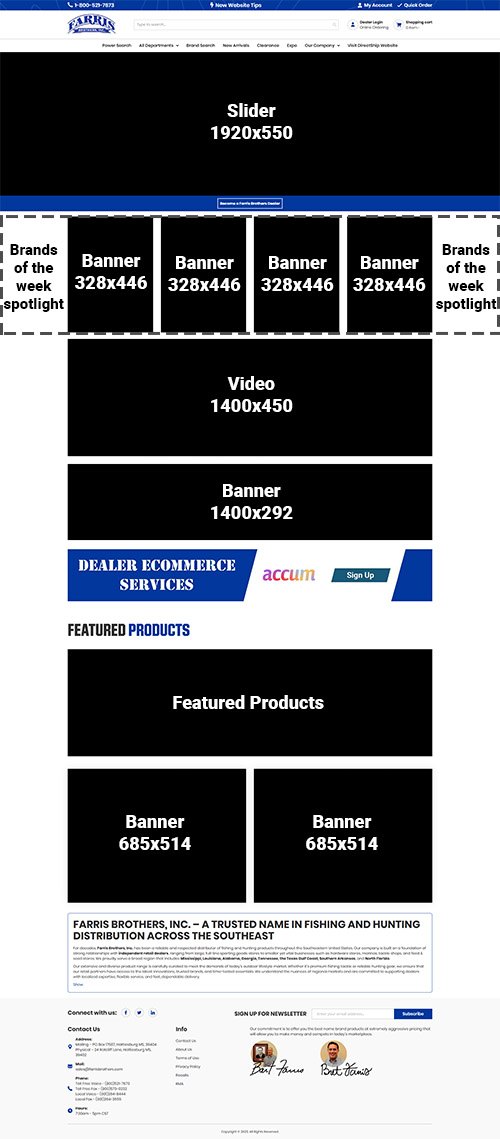
Web design focuses on the visual layout and structure of websites.
Key elements include:
- Page layout and navigation
- Typography and color schemes
- Responsive design for mobile devices
- Visual hierarchy and readability
Web design works closely with UX and development to ensure websites are both attractive and functional.
2. User Interface (UI) Design
UI design focuses on how users interact with digital products.
Examples include:
- Buttons and icons
- Menus and navigation bars
- Forms and interactive elements
The goal of UI design is to create interfaces that are intuitive, consistent, and visually appealing.
3. User Experience (UX) Design
UX design goes beyond visuals and focuses on the overall experience a user has with a product.
UX designers work on:
- User research and personas
- User journeys and flows
- Wireframes and prototypes
- Usability testing
Strong UX design ensures products are easy to use and meet user needs efficiently.
4. Mobile App Design
Mobile app design combines UI and UX principles specifically for smartphones and tablets.
Key considerations:
- Touch-friendly interfaces
- Platform guidelines (iOS, Android)
- Performance and speed
- Accessibility and readability on small screens
A well-designed app improves retention and user satisfaction.
5. Graphic Design for Digital Media
This type of digital design focuses on visual content for online use.
Examples include:
- Social media graphics
- Digital ads and banners
- Email marketing visuals
- Blog and website imagery
The goal is to communicate messages quickly and visually while maintaining brand consistency.
6. Motion Graphics and Animation
Motion design adds movement to digital visuals.
Common uses:
- Animated logos
- Explainer videos
- UI animations and micro-interactions
- Social media video content
Motion graphics enhance storytelling, engagement, and user understanding.
7. Digital Product Design
Digital product design combines UI, UX, and business strategy to build complete digital solutions.
This includes:
- SaaS platforms
- E-commerce experiences
- Dashboards and tools
Product designers focus on solving problems while aligning design with business goals.
Digital Design vs. Graphic Design
While the two overlap, there are key differences:
- Graphic design often focuses on static visuals and print
- Digital design emphasizes interactivity, usability, and screen-based experiences
Digital design requires an understanding of user behavior, devices, and evolving technologies.
Conclusion
Digital design is a foundational element of modern business and technology. From websites and apps to motion graphics and product interfaces, the different types of digital design work together to create meaningful, functional, and engaging digital experiences.
As digital platforms continue to evolve, investing in strong digital design is no longer optional—it’s essential for growth, credibility, and user satisfaction.