


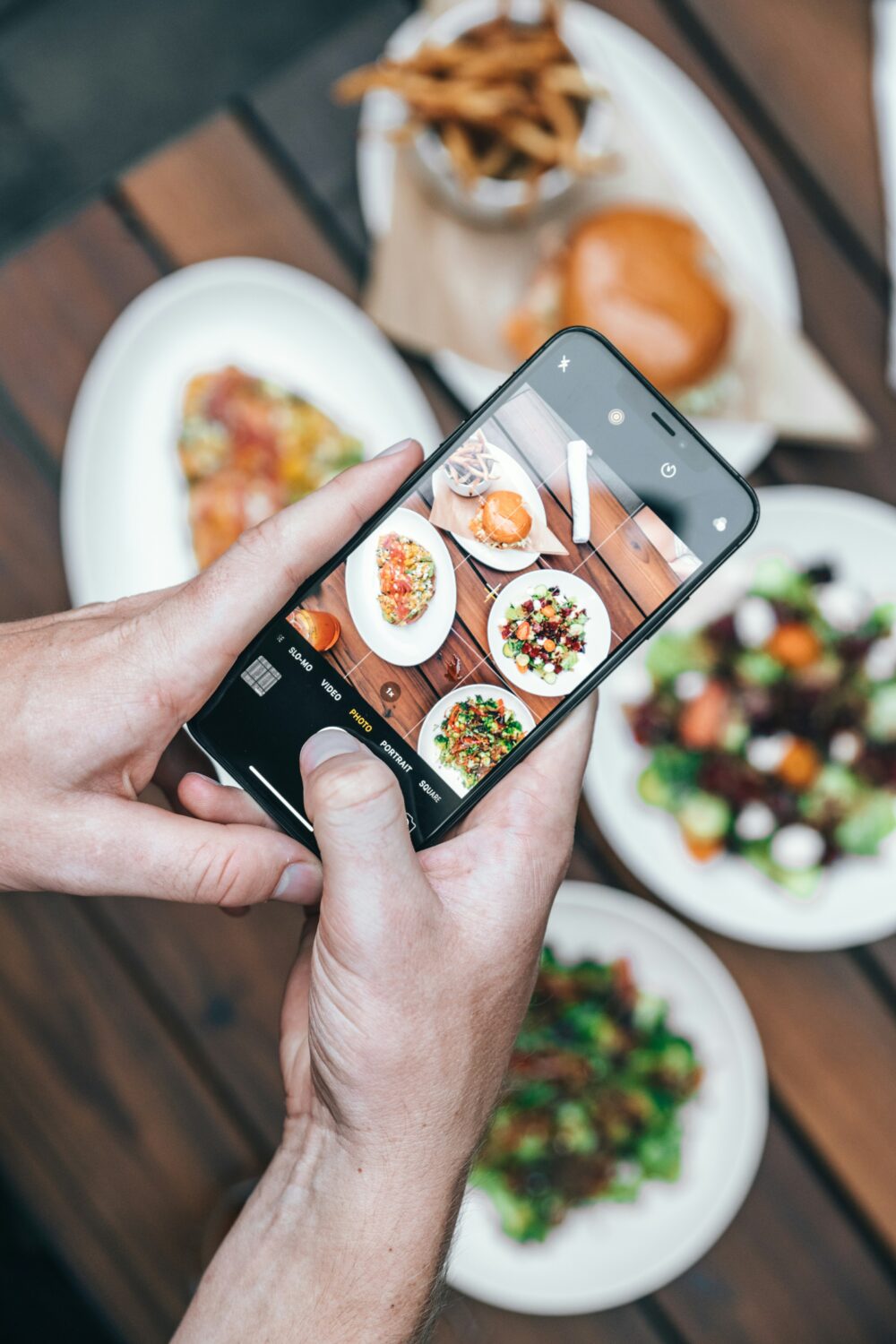
In today’s digital landscape, social media has become the secret ingredient that can transform your restaurant’s online presence from ordinary to extraordinary. With over 4.8 billion social media users worldwide, these platforms offer an unprecedented opportunity to showcase your culinary creations, engage with customers, and most importantly, drive substantial traffic to your restaurant’s website.
Why Social Media Traffic Is a Game-Changer for Restaurants
Social media traffic isn’t just about numbers—it’s about connecting with hungry customers who are actively seeking their next dining experience. When potential diners discover your restaurant through Instagram’s mouth-watering food photography or Facebook’s engaging posts, they’re already in the mindset to make a reservation or place an order. This pre-qualified traffic is more likely to convert into actual customers, making social media one of your most valuable marketing channels.
The restaurant industry thrives on visual appeal and community engagement, making it perfectly suited for social media marketing. Unlike traditional advertising, social platforms allow you to build relationships with customers, respond to feedback in real-time, and create a loyal community around your brand.
Mastering Each Platform: Your Social Media Playbook
Meta – Instagram: The Visual Feast Instagram remains the powerhouse for restaurant marketing, with food content generating some of the highest engagement rates on the platform. Focus on high-quality photos of your signature dishes, behind-the-scenes kitchen moments, and user-generated content from satisfied customers. Use Instagram Stories to showcase daily specials and create urgency around limited-time offers. The platform’s shopping features also allow customers to browse your menu and link directly to your website for reservations.
Meta-Facebook: Community Building Hub Facebook excels at fostering community discussions and sharing detailed information about your restaurant. Post engaging content about your restaurant’s story, chef profiles, and upcoming events. Facebook’s event creation feature is particularly powerful for driving traffic to specific landing pages on your website. The platform’s robust advertising tools also allow for precise targeting of local food enthusiasts.
TikTok: Viral Potential TikTok’s algorithm can catapult your restaurant to viral fame overnight. Create entertaining content showcasing unique cooking techniques, trending food challenges, or the personality behind your brand. The key is authenticity and creativity—users can spot overly promotional content immediately. When your TikTok content resonates, it can drive massive traffic spikes to your website.
X: Real-Time Engagement Twitter serves as your restaurant’s customer service desk and news channel. Share real-time updates about wait times, daily specials, and respond quickly to customer inquiries. The platform’s conversational nature makes it ideal for building personal connections with customers who then visit your website for more information.
Creating Irresistible Content That Drives Action
The most effective social media content for restaurants tells a story while simultaneously making viewers hungry. Behind-the-scenes content showing food preparation creates authenticity and trust. Customer testimonials and reviews shared as posts provide social proof that encourages others to visit your website and make reservations.
Seasonal and trending content keeps your restaurant relevant in social media feeds. Whether it’s a special Valentine’s Day menu or participation in a viral food trend, timely content increases your visibility and drives traffic to corresponding pages on your website.
Educational content also performs exceptionally well. Share cooking tips, ingredient spotlights, or wine pairing suggestions. This positions your restaurant as an authority in the culinary space and provides value beyond just promotional content.
Smart Linking Strategies That Actually Work
Every social media post should have a purpose, and often that purpose is directing followers to your website. However, the approach must be subtle and value-driven. Instead of simply saying “visit our website,” create compelling reasons for users to click through.
Use phrases like “See our full menu and make a reservation” or “Check out our upcoming events and save your spot.” Link to specific pages rather than just your homepage—if you’re showcasing a new dish, link directly to your menu page or a dedicated landing page for that item.
Instagram’s link-in-bio strategy requires creativity since posts don’t allow clickable links. Use tools like Linktree to create a landing page with multiple options, or regularly update your bio link to match your most recent post content.
Timing and Consistency: The Recipe for Success
Posting at optimal times significantly impacts your content’s reach and engagement. For restaurants, lunch hours (11 AM – 1 PM) and dinner planning time (4 PM – 6 PM) often see the highest engagement. However, analyze your specific audience’s behavior through platform analytics to identify your unique peak times.
Consistency builds trust and keeps your restaurant top-of-mind. Develop a content calendar that ensures regular posting without overwhelming your followers. Quality always trumps quantity—three high-quality posts per week will outperform daily mediocre content.
Measuring Success: Analytics That Matter
Track metrics that directly correlate with business goals rather than vanity metrics like follower count. Website traffic from social media, conversion rates from social visitors, and reservation bookings attributed to social campaigns provide meaningful insights into your strategy’s effectiveness.
Use UTM parameters in your social media links to track which platforms and posts drive the most website traffic. Google Analytics can show you exactly how social media visitors behave on your website, helping you optimize both your social content and website experience.
Monitor engagement rates, click-through rates, and hashtag performance to understand what content resonates with your audience. These insights inform future content creation and help you double down on what works.
The Future of Social Media Marketing for Restaurants
Social media platforms continue evolving, with features like live streaming, augmented reality filters, and advanced e-commerce integration becoming standard. Restaurants that stay current with these developments and experiment with new features often see increased engagement and website traffic.
The integration between social media and food delivery platforms is also deepening, creating new opportunities to drive traffic not just to your website but to your ordering systems as well.
Taking Action: Your Next Steps with Accum
Start by auditing your current social media presence and identifying gaps in your strategy. Choose one or two platforms to focus on initially rather than spreading efforts too thin across all channels. Develop a content calendar for the next month, focusing on high-quality posts that provide clear pathways to your website.
The digital dining landscape continues to evolve, but one thing remains constant: restaurants that effectively leverage social media to drive website traffic will have a significant competitive advantage in attracting and retaining customers in our increasingly connected world.
For your Social Media Marketing solutions visit Accum today!