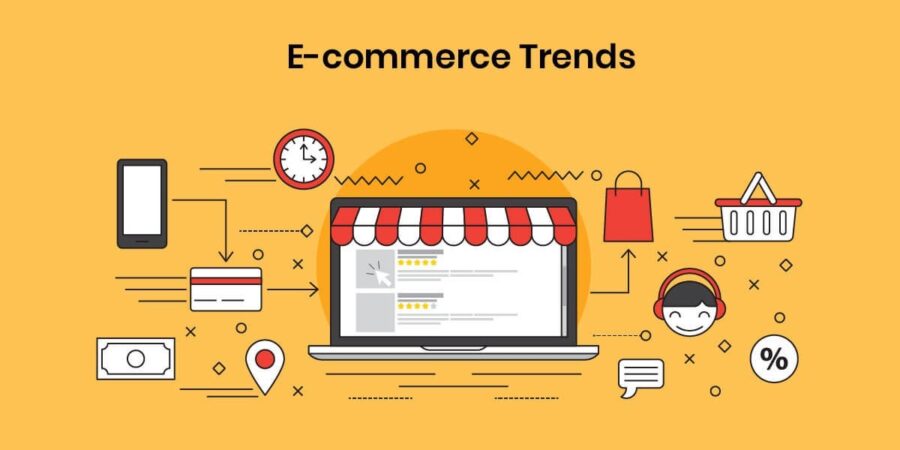



The global eCommerce industry has undergone a massive transformation in the past decade, with online shopping evolving from a convenience into an expectation. According to recent studies, global eCommerce sales are projected to surpass $8 trillion by 2027. Yet, the most exciting opportunities aren’t just in established markets like the U.S. or Western Europe. The real growth is happening in emerging eCommerce hotspots — regions and sectors that are rapidly embracing digital transformation.
For entrepreneurs, retailers, and investors, identifying these eCommerce growth hotspots can mean the difference between riding the next big wave or being left behind. This article explores where the next opportunities lie, what trends are driving them, and how businesses can strategically position themselves for long-term success.
The State of Global eCommerce Growth
Before diving into specific regions and opportunities, it’s important to understand the broader eCommerce landscape:
- Mobile Commerce (mCommerce) continues to dominate, with over 70% of eCommerce traffic now coming from mobile devices.
- Cross-border eCommerce is rising as consumers become more comfortable shopping internationally.
- Digital payments and fintech innovations are fueling adoption in regions previously underserved by traditional banking.
- Social commerce is reshaping consumer behavior, especially among Gen Z and Millennials.
These trends provide the foundation for understanding where the next eCommerce opportunities will appear.
Emerging eCommerce Hotspots Around the World
1. Southeast Asia
Southeast Asia is one of the fastest-growing eCommerce regions in the world, with countries like Indonesia, Vietnam, Thailand, and the Philippines experiencing double-digit growth.
- Key drivers: rapid smartphone adoption, growing middle class, and expanding digital payment infrastructure.
- Major players: Shopee, Lazada, Tokopedia.
- Opportunities: localized marketplaces, mobile-first strategies, and fintech integration.
2. India
India’s eCommerce market is projected to reach $350 billion by 2030. With over 800 million internet users, the country presents a massive consumer base that is only beginning to shift online.
- Key drivers: government support for digitalization, increasing internet penetration, and rising disposable income.
- Opportunities: affordable fashion, mobile payments, rural eCommerce expansion.
3. Africa
Africa represents one of the last untapped frontiers of eCommerce. While infrastructure challenges remain, countries like Nigeria, Kenya, and South Africa are leading the way.
- Key drivers: fintech innovation (e.g., M-Pesa), mobile penetration, and youthful demographics.
- Opportunities: logistics solutions, mobile-first retail, and cross-border trade.
4. Latin America
Brazil, Mexico, and Argentina are becoming major eCommerce hotspots. In Brazil alone, eCommerce sales grew by more than 30% in 2022.
- Key drivers: social commerce adoption, digital wallets, and increased trust in online shopping.
- Opportunities: fast-fashion, consumer electronics, and local marketplace dominance.
5. Middle East
The Middle East is experiencing a surge in eCommerce, especially in the Gulf Cooperation Council (GCC) countries. High internet penetration and strong logistics infrastructure are fueling growth.
- Key drivers: tech-savvy consumers, luxury shopping culture, and strong logistics infrastructure.
- Opportunities: cross-border eCommerce, luxury goods, and digital-first brands.
Sector-Based Growth Hotspots
Geography is important, but specific industries also present unique growth opportunities:
- Health & Wellness: Post-pandemic, demand for supplements, fitness gear, and health-related products is booming.
- Sustainable Products: Eco-friendly fashion, zero-waste packaging, and sustainable home goods are becoming mainstream.
- Direct-to-Consumer (DTC) Brands: Brands bypassing retailers and selling directly online are seeing rapid growth.
- Digital Services: Subscription models, e-learning, and digital goods are expanding alongside physical products.
Key Trends Driving eCommerce Growth
- Mobile-First Commerce – Optimizing for mobile isn’t optional anymore. Mobile shopping dominates in Asia, Africa, and Latin America.
- AI & Personalization – AI-powered recommendations are driving higher conversions across industries.
- Social Commerce – Platforms like TikTok, Instagram, and Facebook are becoming primary sales channels.
- BNPL (Buy Now, Pay Later) – Flexible payment options are driving adoption among younger shoppers.
- Logistics Innovation – Same-day delivery, drones, and automated warehouses are improving customer experience.
How Businesses Can Capitalize on Emerging eCommerce Opportunities
- Understand Local Markets
Customize offerings to fit local culture, payment preferences, and logistics realities. - Invest in Mobile & Social Commerce
Focus on building a seamless mobile-first shopping experience integrated with social media. - Build Cross-Border Strategies
Take advantage of global demand by expanding shipping and localized websites. - Leverage AI & Data Analytics
Personalization and predictive analytics give a competitive edge. - Focus on Sustainability
Consumers increasingly prefer eco-conscious brands with transparent supply chains.
Challenges to Consider
- Logistics and Infrastructure: Delivery remains a challenge in regions like Africa and rural India.
- Regulatory Barriers: Trade restrictions, taxes, and compliance issues can slow expansion.
- Consumer Trust: Building trust in markets where online fraud is common is essential.
- Currency & Payment Barriers: Cross-border eCommerce requires flexible payment solutions.
The Future of Global eCommerce Growth
The future of eCommerce will be defined by:
- Hyper-localization – Global brands adapting to micro-markets.
- Voice & AI Commerce – Shopping through voice assistants and AI-driven platforms.
- Web3 & Blockchain – Decentralized marketplaces and secure transactions.
- Immersive Shopping – AR/VR enabling virtual try-ons and digital showrooms.
By 2030, the digital shopping experience will be more personalized, immersive, and borderless than ever before.
Conclusion
The global eCommerce market is growing at record speed, but the most exciting opportunities lie in emerging regions and industries. From Southeast Asia to Africa, from sustainable products to digital-first services, the future of online retail is full of growth hotspots waiting to be tapped.
Businesses that identify these opportunities early, adapt to local realities, and invest in innovation will be best positioned to capture the next wave of eCommerce growth.
The time to act is now — explore new markets, leverage mobile-first strategies, and stay ahead of the curve in the digital economy.