



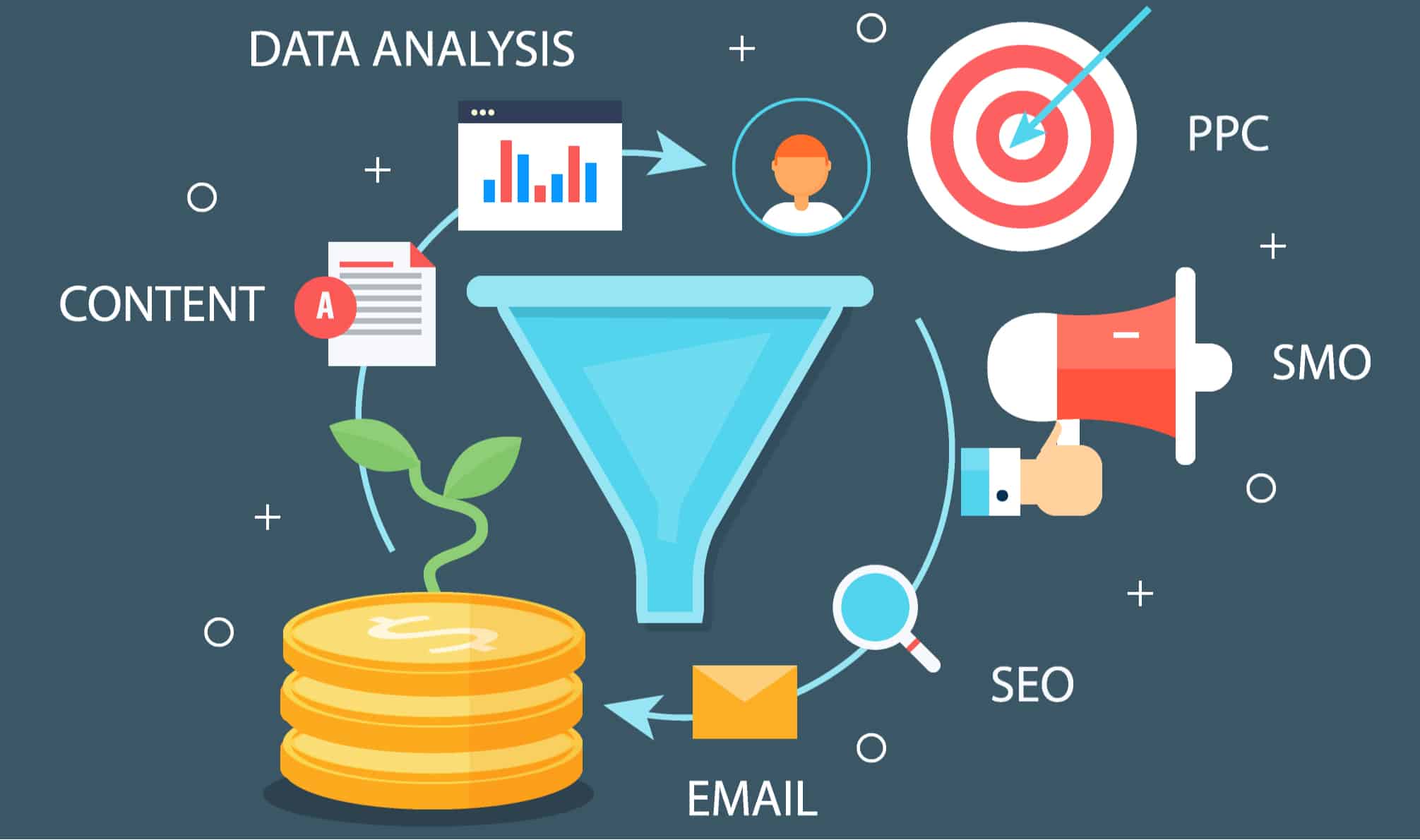
In today’s competitive business environment, the success of any sales or marketing team depends heavily on lead management. Businesses generate dozens, hundreds, or even thousands of leads every day, but not all leads are equal. Properly capturing, tracking, and nurturing these leads ensures that potential customers are guided efficiently through the sales funnel, ultimately increasing conversions and revenue.
What Is Lead Management?
Lead management is the structured process of capturing, tracking, qualifying, and nurturing potential customers (leads) from initial contact to final sale. It is a vital component of sales and marketing strategy, helping businesses prioritize leads and streamline communication.
The main objectives of lead management are:
- Maximizing conversion rates by following up on every lead promptly
- Improving marketing efficiency through data-driven decisions
- Enhancing customer experience by providing personalized communication
- Optimizing sales team efforts to focus on high-value opportunities
Key Steps in Lead Management
- Lead Capture
Lead capture is the process of collecting information from potential customers. Leads can be captured from multiple sources, including:- Company websites and landing pages
- Social media campaigns
- Email marketing campaigns
- Trade shows and events
- Paid ads and online promotions
- Lead Tracking
Once captured, it’s essential to track leads’ interactions with your brand. This includes:- Pages visited on your website
- Emails opened or clicked
- Downloads or content engaged with
- Responses to calls or messages
Effective tracking helps businesses understand lead interests and behavior.
- Lead Scoring
Not all leads are equally valuable. Lead scoring assigns numerical values to leads based on demographics, engagement, and purchase intent. Sales teams can then prioritize high-potential leads, ensuring no opportunities are wasted. - Lead Nurturing
Nurturing involves building relationships with leads by sending personalized content and timely follow-ups. This can include:- Automated email sequences
- Educational content or whitepapers
- Webinars and interactive demos
Nurtured leads are more likely to convert into paying customers.
- Lead Distribution
Lead distribution ensures that leads are assigned to the right sales representatives based on location, expertise, or availability. Efficient distribution improves response times and increases the likelihood of conversion.
Types of Lead Management Software
There is a wide range of lead management software available, each designed to meet specific business needs. Choosing the right software can significantly improve lead organization, engagement, and sales performance.
1. Customer Relationship Management (CRM) Software
CRM software is the backbone of most lead management strategies. It centralizes all lead information, tracks interactions, and automates follow-ups. CRMs allow teams to manage their pipeline, forecast sales, and maintain strong customer relationships.
2. Marketing Automation Platforms
These tools focus on automating marketing campaigns to nurture leads effectively. They deliver targeted content, track engagement, and segment leads for personalized messaging. Marketing automation platforms help businesses maintain consistent communication without overwhelming manual effort.
3. Sales Enablement Tools
Sales enablement software equips sales teams with the tools they need to prioritize leads, schedule follow-ups, and manage pipelines efficiently. These platforms often include analytics and reporting features to measure team performance.
4. Lead Generation Tools
Lead generation software focuses on capturing new leads from various channels like websites, landing pages, social media, and paid advertising. Integration with CRM and marketing automation platforms ensures that captured leads are effectively followed up.
5. All-in-One Lead Management Solutions
Some platforms combine CRM, marketing automation, sales enablement, and lead generation into one system. These all-in-one solutions are ideal for businesses looking for a seamless approach to lead management without multiple disconnected tools.
Benefits of Lead Management Software
Using lead management software offers numerous benefits for businesses of all sizes:
- Improved lead follow-up speed and accuracy – no lead is ever lost or forgotten.
- Prioritization of high-value leads – focus resources where they matter most.
- Automation of repetitive tasks – save time and reduce errors.
- Enhanced customer experience – provide personalized, timely communication.
- Better insights and reporting – measure performance, ROI, and optimize strategies.
- Increased sales and revenue – by nurturing leads effectively and converting more prospects.
Best Practices for Lead Management
- Centralize lead data – keep all lead information in one accessible platform.
- Score and segment leads – target your efforts on the most promising prospects.
- Follow up promptly – the faster you respond, the higher the conversion rate.
- Use personalized messaging – tailor content to each lead’s needs and behavior.
- Measure performance – track metrics like conversion rate, lead engagement, and ROI to improve strategies.