


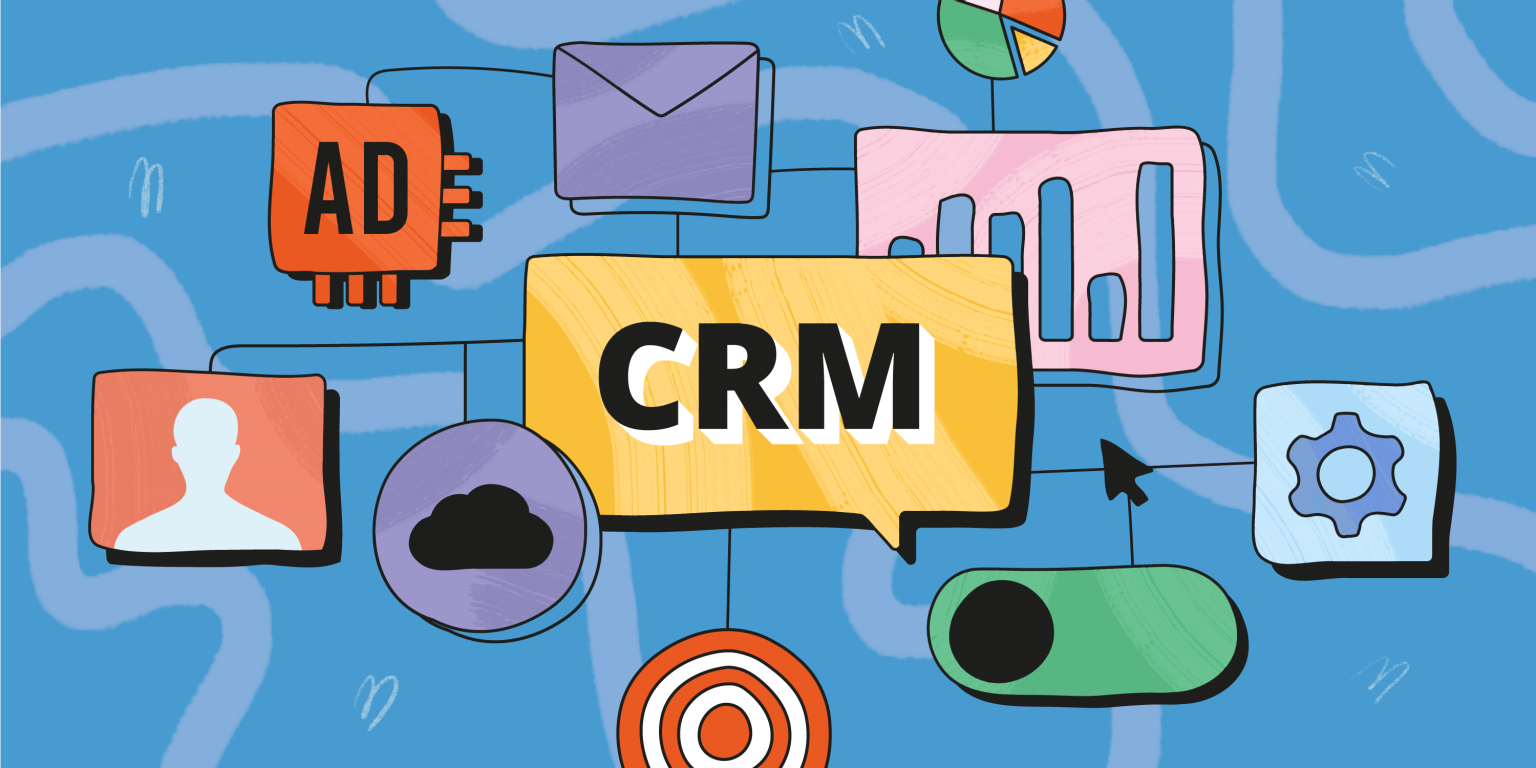
In an era where customer relationships determine business success, understanding and applying a proper Customer Relationship Management (CRM) model is essential. A CRM model is not just the software—it’s the framework, processes, and strategy your business uses to manage customer interactions, retention, and growth.
This guide will walk you through what a CRM model is, why it matters, key types of models you can adopt, and how to use them strategically to align your sales, marketing and service efforts.
What Does “CRM Model” Mean?
A CRM model is a structured framework that describes how a business collects, segments, engages and retains customers over time.
Unlike simply implementing CRM software, adopting a CRM model involves:
- Defining clear customer-lifecycle steps (from prospect to loyal customer)
- Mapping how data, processes and technology support each step
- Setting metrics, roles, and teams to drive those steps
In short, a CRM model bridges the gap between “we have a CRM system” and “we truly manage our customer relationships strategically”.
Why CRM Models Matter
Implementing a CRM model correctly offers several major benefits:
- Improved customer segmentation and personalization: By structuring how you identify and differentiate customers, you can tailor communications and offers.
- Better cross-department alignment: Sales, marketing, customer service and operations work together on a common framework instead of working in silos.
- Increased customer lifetime value (CLV): With processes in place, businesses retain and grow customers more effectively.
- Data-driven decision making: A CRM model helps convert customer data into actionable insights and measurable outcomes.
Without a framework, CRM software often becomes under-utilised or misaligned with business strategy.
Key CRM Model Frameworks to Know
Here are some of the most widely recognised CRM model frameworks you can choose from or adapt:
1. The IDIC Model
- Identify your customers and gather relevant data.
- Differentiate them by value or need.
- Interact with customers using tailored communications.
- Customize your offerings and experience based on what you’ve learned.
This model emphasises personalization and segmentation.
2. The QCI Model (Quality Competitive Index)
This model focuses on managing customer relationships through structured dimensions such as planning, proposition, technology, processes and retention.
3. The CRM Value Chain Model
Inspired by Porter’s value chain, this model describes stages like:
- Customer portfolio analysis
- Building customer intimacy
- Network development
- Value proposition development
- Managing the customer life-cycle
with supporting conditions like culture, technology and processes.
4. The Gartner CRM Competency Model
This model emphasises eight key competencies: vision, strategy, customer experience, collaboration, processes, information, technology and metrics.
How to Use a CRM Model to Strategize
Here’s how you can apply a CRM model in your business to build strategy and execution:
Step 1: Choose the Model That Fits Your Business
Evaluate your size, complexity, customer base and goals. For instance, if you have a small team and want to personalise deeply, IDIC may be ideal. If you have complex operations, a value-chain model may fit better.
Step 2: Map Your Current State
- Audit current customer data: what you have, what you lack.
- Review touch-points: how customers engage with your business.
- Analyze process gaps: where sales, service and marketing may not be aligned.
Step 3: Define Strategic Objectives
Using the model’s framework, define goals like:
- Increase retention by X% within 12 months
- Segment high-value customers and increase their spend by X
- Decrease churn rate by X%
Align these goals with the steps in the model you chose.
Step 4: Design Processes, Roles & Technology
- Establish clear workflows (e.g., Identify → Differentiate → Interact → Customize)
- Define responsibilities across teams (sales, marketing, customer service)
- Select or configure technology (CRM software, data systems) to support the model
Step 5: Measure & Iterate
- Set metrics aligned with model steps (e.g., % of customers segmented, response time, CLV increase)
- Review results regularly and adjust processes or strategy
- Use data to refine your model application (e.g., refine segmentation, optimize personalization)
Common Pitfalls & How to Avoid Them
- Implementing CRM software without a model: leads to under-use and misalignment.
- Choosing the wrong model for your business size or maturity: complexity for complexity’s sake holds you back.
- Neglecting culture, processes and people in favour of technology: a model must include strategy, people and process, not just tools.
- No clarity on key metrics or ongoing optimisation: Without measurement, the model fails.
Final Thoughts
A CRM model is much more than just managing customers—it’s about strategically designing how your business identifies, interacts with, and grows its customer base. Choosing and executing the right CRM model gives you the structure to align teams, technology and data with your customer-relationship goals.
By applying a model like IDIC, QCI, Value Chain or the Gartner competency framework and aligning your strategy accordingly, you’ll set yourself up not just for better customer interactions, but for sustainable growth and profitability.
That’s exactly where CRM Push Suite makes the difference. Designed to simplify customer management and automate every stage of the relationship cycle, Push Suite helps businesses turn CRM models into real, measurable results. With powerful analytics, workflow automation, and intuitive dashboards, it empowers teams to make data-driven decisions, improve retention, and accelerate growth — all in one platform