



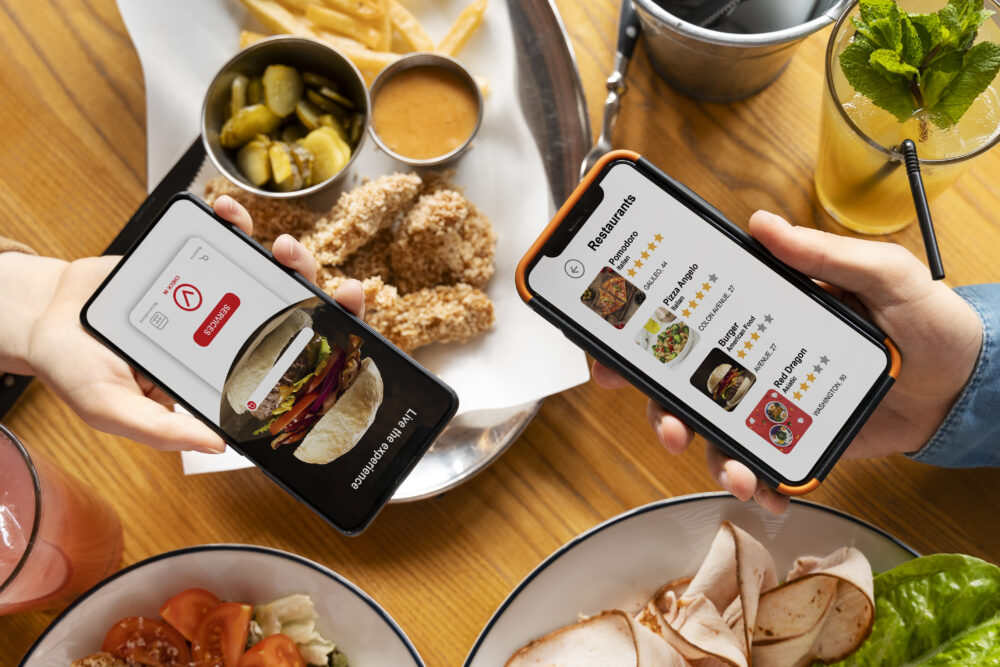
In today’s digital-first world, your restaurant’s success doesn’t just depend on the quality of your food—it depends on your online visibility. With more customers searching for local dining options online, Local SEO (Search Engine Optimization) has become a powerful tool for restaurant owners to drive traffic, grow eCommerce sales, and boost reservations or delivery orders. If your website isn’t optimized for local search, you’re likely missing out on hungry customers ready to place an order.
This guide will help you understand the importance of local SEO and how to effectively optimize your restaurant’s eCommerce website.
Local SEO and Why It Matters for Restaurants
Local SEO is the process of optimizing your online presence to attract more business from relevant local searches. These searches happen on Google and other search engines and typically include keywords like “best sushi near me” or “pizza delivery in Chicago.”
For restaurants, local SEO ensures that your business appears in local listings, Google Maps, and ‘near me’ searches, making it easier for customers in your area to find and order from you.
The Impact of Local Search on Restaurant eCommerce Sales
According to Google, 46% of all searches have local intent, and 78% of local mobile searches result in an offline purchase within 24 hours. For restaurants, this often translates to:
- More online orders
- Increased reservations
- Higher foot traffic from takeout or dine-in customers
With the rise of food delivery and online ordering, optimizing your website for local SEO is no longer optional—it’s essential.
Essential Local SEO Strategies for Restaurant Websites
To fully optimize your eCommerce website, follow these key local SEO tactics:
1. Claim and Optimize Your Google Business Profile (GBP)
- Ensure your name, address, and phone number (NAP) are accurate and consistent.
- Add high-quality images of your food and interior.
- Include business hours, menus, and services (dine-in, delivery, takeout).
- Enable reviews and respond to them promptly.
2. Use Local Keywords Strategically
Incorporate keywords like:
- “Best Italian restaurant in [City]”
- “Vegan food delivery [Neighborhood]”
Use these in your meta titles, headings, URL slugs, and product/menu descriptions.
3. Create Location-Based Landing Pages
If you operate in multiple locations, build dedicated pages for each with unique content, including:
- Address and map
- Local reviews
- Specific promotions or offers
4. Ensure NAP Consistency Across Directories
List your restaurant on platforms like Yelp, TripAdvisor, and OpenTable. Use the exact same NAP across all listings to boost trust and ranking.
Leverage Online Reviews and Social Proof
Positive reviews not only influence customer decisions but also impact your local SEO. Encourage happy customers to leave reviews on Google, Yelp, and Facebook. More high-quality reviews = better local rankings.
Pro tip: Respond to every review, both positive and negative, to show engagement and improve brand perception.
Optimize for Mobile and Voice Search
Most local searches happen on mobile, and voice searches like “find Thai food near me” are rising. To stay competitive:
- Use a mobile-friendly, fast-loading website design.
- Include structured data markup for menu, hours, and location.
- Optimize for conversational keywords used in voice searches.
Add Local Schema Markup
Schema markup is a type of structured data that helps search engines better understand your website’s content. For restaurants, you can use schema to enhance visibility for:
- Menus
- Hours of operation
- Customer reviews
- Business type (Restaurant, Café, etc.)
This can lead to rich snippets on search results, boosting click-through rates.
Track and Measure Your Local SEO Performance
Use tools like:
- Google Analytics: Track website visits, conversions, and bounce rates.
- Google Search Console: Monitor keyword performance and indexing issues.
- Google Business Insights: View how customers find your listing.
Review your metrics monthly and adjust your strategy based on what’s working.
Common Local SEO Mistakes to Avoid
- Ignoring mobile responsiveness
- Having duplicate or inconsistent NAP info
- Failing to update Google Business Profile
- Not optimizing for local keywords
- Forgetting to manage reviews or reputation
Build a Strong Local SEO Foundation to Grow Your Restaurant Online
Whether you’re a cozy café or a high-volume pizzeria, local SEO is your gateway to more orders, better visibility, and loyal local customers. By optimizing your restaurant’s eCommerce website with local SEO strategies, you’ll not only climb Google’s rankings but also attract more hungry customers ready to order from your menu.
Ready to start? Visit Accum today!