


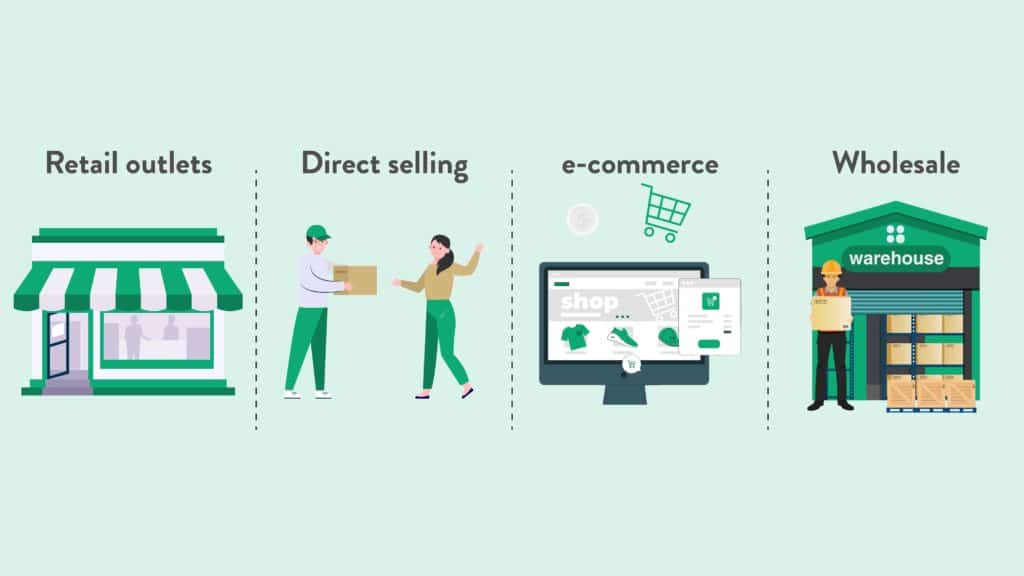
Effective retail distribution is the backbone of any successful product business. It determines how products move from manufacturers to customers, which channels retailers use, and how efficiently a brand can scale. Understanding distribution models, strategies, and challenges helps merchants choose the best path for growth and profitability.
What Is Retail Distribution?
Retail distribution is the process of delivering products to consumers through various channels such as physical stores, online marketplaces, wholesalers, and direct-to-consumer (DTC) platforms.
Its main goal is to make products accessible to customers at the right time, in the right place, and at the best cost.
Main Types of Retail Distribution
1. Intensive Distribution
This strategy focuses on making products available in as many locations as possible.
Ideal for:
- Convenience goods
- Low-priced, frequently purchased products
Goal: maximize exposure and increase impulse purchases.
2. Selective Distribution
Brands choose a limited number of retailers or locations to preserve product value and control the customer experience.
Ideal for:
- Mid-range consumer goods
- Fashion and lifestyle products
Goal: balance reach and brand positioning.
3. Exclusive Distribution
Products are sold through one exclusive retailer or regional distributor.
Ideal for:
- Luxury goods
- High-value technology
- Specialized equipment
Goal: maintain tight control, premium perception, and pricing stability.
Distribution Channels in Retail
Brick-and-Mortar Retail
Traditional physical stores remain essential for experiential shopping, high-touch sales, and local customer engagement.
E-Commerce
Online stores provide global reach, lower operational costs, and continuous availability.
Marketplaces
Platforms like Amazon or eBay offer high traffic and strong logistics but with higher competition and marketplace fees.
Wholesale
Selling products in bulk to distributors or retailers helps brands expand quickly without handling individual orders.
Dropshipping
Retailers sell products without holding inventory, relying on suppliers to fulfill orders.
How to Build an Effective Retail Distribution Strategy
1. Understand Your Target Customer
Analyze buying habits, preferred shopping channels, and delivery expectations.
2. Choose the Right Distribution Model
Align your strategy with product type, price point, and brand identity.
3. Optimize Inventory and Supply Chain
Use demand forecasting, efficient warehousing, and real-time tracking to avoid out-of-stock situations.
4. Strengthen Relationships With Partners
Good communication with suppliers, distributors, and retailers improves coordination and reduces risk.
5. Invest in Technology
Inventory management systems, logistics software, and automation tools help maintain smooth distribution operations.
6. Monitor Performance
Track key KPIs:
- Inventory turnover
- Lead times
- Stock availability
- Distribution costs
- Sales by channel
Adjust the strategy based on customer feedback and sales data.
Common Challenges in Retail Distribution
- Supply chain disruptions
- Rising transportation costs
- Inventory imbalances
- Distribution delays
- Market competition
- Channel conflicts
Retailers must stay flexible, diversify distribution channels, and invest in reliable forecasting tools.
Why Retail Distribution Matters
A strong distribution strategy helps businesses:
- Reach new markets
- Improve customer satisfaction
- Reduce delivery times
- Strengthen brand presence
- Increase profitability