



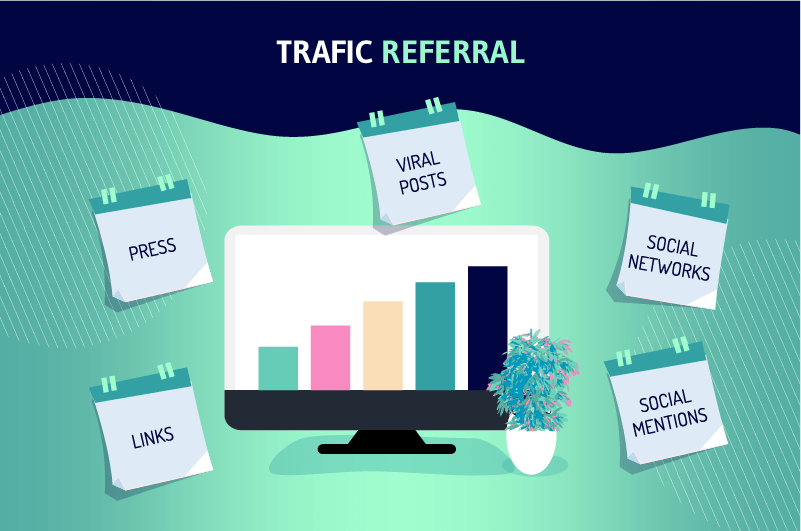
Referral traffic is one of the most powerful yet often underutilized sources of website visitors. Unlike paid ads or organic search, referral traffic comes from other websites, partners, platforms, or users that send visitors directly to your site. These visitors often arrive with higher trust, stronger intent, and better engagement rates.
In this guide, we’ll explore what referral traffic is, why it matters, and proven strategies to increase website traffic through referrals in 2026 and beyond.
What Is Referral Traffic?
Referral traffic refers to visitors who land on your website by clicking a link on another website, excluding search engines and direct visits. Common referral sources include:
- Partner websites
- Blogs and media publications
- Social platforms
- Influencers and affiliates
- Online communities and forums
- Review sites and directories
Because referral visitors are typically pre-qualified by the source that sent them, they often convert better than other traffic types.
Why Referral Traffic Matters
Referral traffic offers several key advantages:
- Higher trust and credibility from third-party endorsements
- Improved conversion rates compared to cold traffic
- SEO benefits through backlinks and brand mentions
- Lower acquisition costs than paid advertising
- Long-term traffic potential from evergreen links
For brands looking to diversify traffic sources and reduce reliance on ads or search algorithms, referral traffic is essential.
1. Build Strategic Partnerships
One of the most effective ways to grow referral traffic is through strategic partnerships.
How to do it:
- Partner with complementary (non-competing) brands
- Exchange content, resources, or tools
- Co-host webinars, podcasts, or virtual events
- Cross-promote each other’s products or content
Example: A marketing agency partnering with an email software provider can mutually refer traffic through blogs, landing pages, or email campaigns.
2. Guest Posting on High-Authority Websites
Guest blogging remains a powerful referral traffic strategy when done correctly.
Best practices:
- Target relevant, high-authority websites in your niche
- Provide genuinely valuable, non-promotional content
- Include contextual links back to your website
- Focus on evergreen topics that drive long-term clicks
Well-placed guest posts can generate referral traffic for years, not just days
3. Leverage Influencers and Affiliates
Influencer marketing and affiliate programs are referral traffic engines.
How to maximize results:
- Work with influencers whose audience matches your target market
- Use trackable referral links or UTM parameters
- Offer incentives such as commissions, discounts, or exclusive access
- Encourage authentic content, not scripted promotions
Influencer referrals often bring highly engaged visitors who already trust the recommendation.
4. Get Listed on Relevant Directories and Review Sites
Being present where your audience researches solutions can drive consistent referral traffic.
Examples:
- SaaS directories
- Industry-specific marketplaces
- Local business directories
- Product review platforms
Ensure your listings are optimized with:
- Clear descriptions
- Updated links
- Social proof (reviews, testimonials, ratings)
5. Use Social Media as a Referral Channel
While social media traffic is often categorized separately, it still functions as referral traffic.
Best practices:
- Share blog posts, guides, and landing pages regularly
- Participate in LinkedIn groups, Reddit threads, and niche communities
- Answer questions and link back to relevant content naturally
- Repurpose content to increase visibility
Community-driven platforms can generate highly targeted referral traffic when used strategically.
6. Encourage User-Generated Referrals
Your existing audience can become a powerful referral source.
How to activate it:
- Launch referral or ambassador programs
- Offer rewards for sharing links
- Feature customer stories or case studies
- Make sharing easy with clear CTAs and share buttons
Word-of-mouth referrals often outperform any other traffic source in quality and trust.
7. Track and Optimize Referral Traffic
To scale referral traffic, you need visibility into what’s working.
Key metrics to track:
- Referral traffic volume
- Conversion rates by source
- Bounce rate and time on site
- Assisted conversions
Use tools like Google Analytics, UTM parameters, and CRM data to identify top-performing referral sources and double down on them.
Conclusion
Referral traffic is a sustainable, high-quality way to increase website traffic without relying solely on paid ads or search engines. By building partnerships, leveraging influencers, guest posting, engaging communities, and continuously optimizing performance, businesses can create a powerful referral ecosystem that drives consistent growth.
In 2026, brands that invest in referral traffic will benefit from higher trust, stronger engagement, and more resilient traffic strategies.