


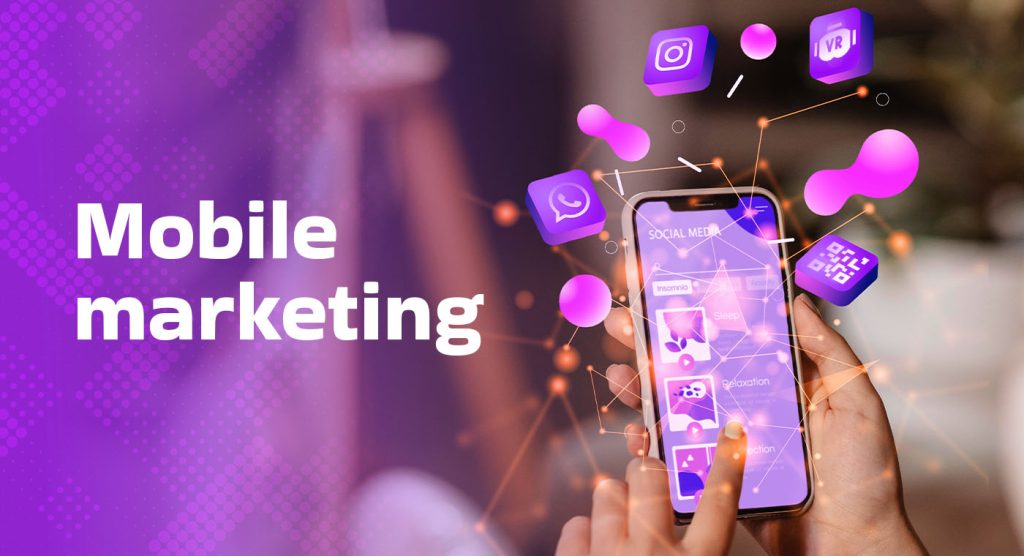
Mobile marketing has become one of the most influential forces in digital growth strategies. With consumers spending the majority of their online time on smartphones, brands that fail to prioritize mobile risk losing relevance, visibility, and revenue. Today, mobile marketing goes far beyond simple SMS campaigns—it includes apps, location-based targeting, in-app advertising, and deeply personalized user experiences.
This guide explores the most effective types of mobile marketing and shows how brands are using them in real-world scenarios to drive engagement, conversions, and long-term loyalty.
What Is Mobile Marketing and Why It Matters
Mobile marketing refers to any marketing activity designed specifically for mobile devices such as smartphones and tablets. Its defining strength is the ability to reach users in real time, often based on location, behavior, or intent.
Mobile marketing matters because:
- Mobile traffic accounts for the majority of web usage
- Consumers expect fast, seamless mobile experiences
- Mobile enables highly personalized and contextual messaging
- Purchase decisions increasingly happen on mobile devices
Unlike traditional digital marketing, mobile allows brands to engage users at moments of high intent, whether they are browsing, shopping, traveling, or physically near a store.
Core Types of Mobile Marketing With Real-World Examples
One of the biggest advantages of mobile marketing is its versatility. Brands can combine multiple formats to create powerful, omnichannel experiences.
SMS and Push Notification Marketing
Retailers, banks, and service providers use SMS and push notifications to deliver time-sensitive messages such as promotions, order updates, appointment reminders, and alerts. For example, an ecommerce brand may send a limited-time discount code via SMS during a flash sale, driving immediate conversions due to urgency and high open rates. Push notifications are especially effective for re-engagement, such as abandoned cart reminders or personalized product alerts.
Mobile App Marketing
Brands with mobile apps gain access to deeper personalization and long-term engagement. Fitness companies, for instance, use apps to deliver personalized workout plans, progress tracking, and exclusive content. Ecommerce brands integrate loyalty programs and one-click purchasing, turning apps into repeat revenue channels rather than just shopping tools.
Location-Based and Proximity Marketing
Using GPS, Wi-Fi, or beacon technology, brands can target users based on their physical location. Restaurants and retail chains commonly send special offers when users are nearby, increasing foot traffic and in-store conversions. Large stores also use proximity marketing to guide customers to specific products or highlight promotions inside the store.
In-App Advertising and Mobile Display Ads
In-app ads allow brands to reach users inside popular mobile applications. A common real-world example is rewarded video ads in mobile games, where users receive in-game benefits in exchange for watching an ad. This approach creates a value exchange that improves engagement and brand recall.
Mobile Web and QR Code Marketing
Optimized mobile websites are critical for conversion. Brands that reduce load times, simplify navigation, and enable fast checkout consistently outperform competitors. QR codes further bridge offline and online experiences—brands place them on packaging, receipts, or physical locations to drive users to tutorials, reviews, or exclusive content.
How Brands Are Using Mobile Marketing Successfully
Successful brands treat mobile marketing as a core experience channel, not an add-on. They focus on relevance, timing, and user value.
Common success patterns include:
- Personalizing content based on behavior and preferences
- Limiting message frequency to avoid fatigue
- Integrating mobile campaigns with CRM and loyalty systems
- Aligning mobile experiences with in-store and online journeys
For example, a fashion retailer may combine push notifications, in-app personalization, and location-based offers to create a seamless experience from discovery to purchase. Each interaction builds on the previous one, increasing lifetime value rather than just one-time conversions.
The Future of Mobile Marketing
Mobile marketing continues to evolve rapidly. In the coming years, brands will increasingly rely on:
- AI-driven personalization
- Voice and visual search optimization
- Augmented reality shopping experiences
- Deeper integration between mobile, ecommerce, and physical retail
As privacy expectations grow, transparency and consent will also play a larger role. Brands that balance personalization with trust will lead the next phase of mobile marketing innovation.
Conclusion
Mobile marketing is no longer optional—it is foundational to modern digital strategy. By understanding the key types of mobile marketing and learning from real-world examples, brands can create meaningful, high-performing campaigns that meet users where they are and deliver value at every touchpoint.
The brands that win with mobile marketing focus on experience first, not just promotion.