


Internal linking is one of the most powerful yet often underutilized SEO strategies. While backlinks from external websites attract much of the attention, internal links play a crucial role in helping search engines understand your site structure, distribute authority, and guide users through meaningful content journeys.
When implemented strategically, internal linking improves crawlability, enhances user experience, and strengthens your overall search visibility. It is not just about linking pages randomly—it’s about building a logical, interconnected content ecosystem.
Why Internal Linking Matters for SEO
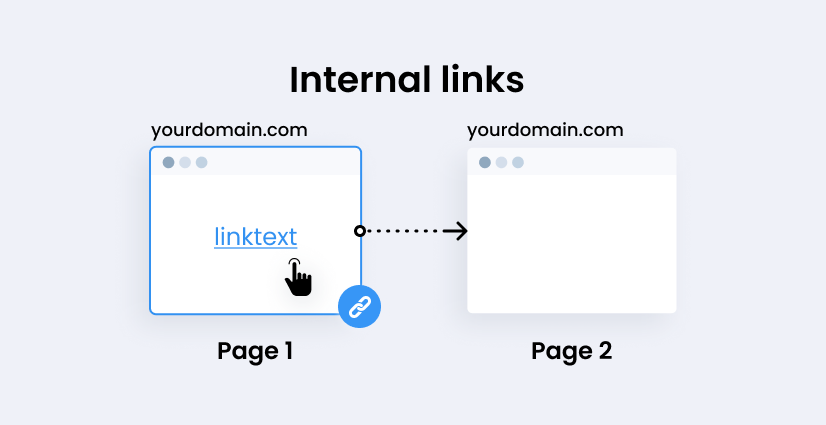
Search engines use internal links to discover new pages and determine how different pieces of content relate to one another. A well-structured internal linking system helps search engines understand which pages are most important and how authority flows across your website.
Internal links also improve user experience. When readers find relevant content easily, they spend more time on your site, explore additional pages, and are more likely to convert. Lower bounce rates and higher engagement signals can positively influence search performance.
Additionally, internal linking allows you to strategically support high-priority pages—such as product pages, cornerstone blog posts, or service pages—by directing link equity toward them from supporting content.
SEO Best Practices for Internal Linking
Effective internal linking starts with structure. Organize your website using a clear hierarchy: homepage, category pages, subcategories, and individual pages or articles. This logical framework ensures that link equity flows naturally from top-level pages to deeper content.
Use descriptive anchor text. Instead of generic phrases like “click here,” include keyword-rich anchors that clearly describe the destination page. This helps both users and search engines understand the context of the linked content.
Prioritize relevance. Internal links should connect related topics in a way that provides additional value to the reader. Forced or excessive linking can appear unnatural and reduce usability.
Avoid orphan pages. Every important page should have at least one internal link pointing to it. Orphan pages are difficult for search engines to discover and often underperform in rankings.
Balance link depth. Important pages should not be buried too deeply within the site structure. Ideally, users and search engines should be able to access high-value pages within a few clicks from the homepage.
Building a Strategic Internal Linking System
A strategic internal linking approach begins with identifying cornerstone content—your most comprehensive and authoritative pages. These pages should receive links from related blog posts, guides, and supporting articles.
Topic clusters are another effective method. Create pillar pages that broadly cover a subject, then link them to cluster content that explores subtopics in detail. This structure strengthens topical authority and improves rankings for competitive keywords.
Regular audits are essential. Over time, websites grow and content expands. Reviewing your internal links ensures they remain relevant, functional, and aligned with current SEO priorities. Broken links, outdated pages, or missed linking opportunities should be corrected promptly.
Automation tools can assist in identifying linking opportunities, but human oversight ensures contextual accuracy and strategic alignment.
Common Internal Linking Mistakes To Avoid
Overloading pages with too many links can dilute authority and overwhelm readers. Focus on quality and relevance rather than quantity.
Using identical anchor text repeatedly for different pages may confuse search engines. Ensure anchor text accurately reflects the specific destination page.
Neglecting updates is another frequent issue. When publishing new content, revisit older high-performing pages and add links to the new material where relevant.
Finally, avoid linking solely for SEO purposes. Internal links should always enhance the user journey first; SEO benefits follow naturally from a well-designed structure.
Conclusion
Internal linking is a foundational element of effective SEO. By creating a logical site structure, using descriptive anchor text, and strategically connecting related content, businesses can improve crawlability, strengthen authority, and enhance user experience.
When internal linking is treated as a long-term strategy rather than an afterthought, it becomes a powerful driver of sustainable organic growth.