


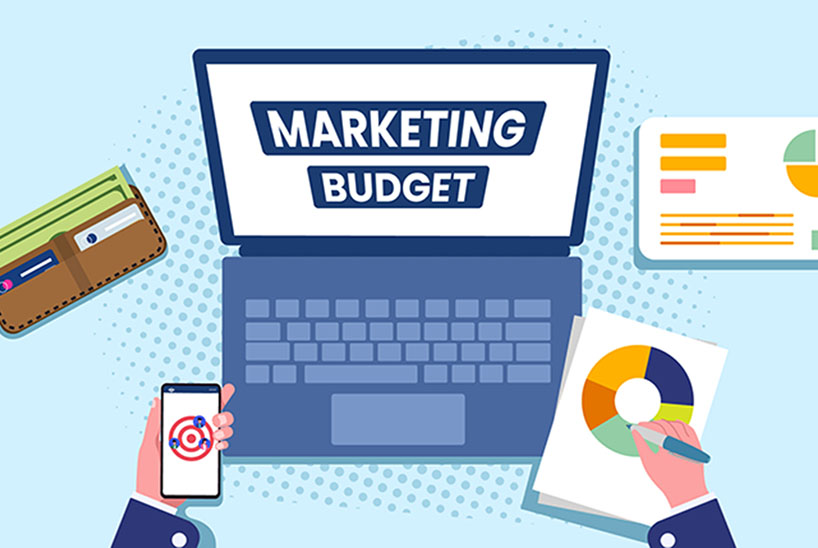
Creating a marketing budget is one of the most important steps for small business success. With 2026 bringing new marketing trends, AI-driven advertising, and evolving customer behaviors, small businesses need a strategic approach to allocate their marketing funds efficiently. A well-planned marketing budget ensures that every dollar spent drives maximum impact and ROI.
Here’s a complete guide on how to create a small business marketing budget in 2026.
1. Understand Your Business Goals
Before setting a budget, define your business objectives. Are you aiming to:
- Increase brand awareness?
- Drive more leads or sales?
- Enter new markets?
- Launch a new product or service?
Your goals will guide where and how much to spend. For example, lead-generation campaigns may require a higher allocation for digital ads, while brand awareness may prioritize content marketing and social media.
2. Analyze Past Marketing Performance
Look at your historical marketing data:
- Which channels generated the highest ROI?
- What campaigns brought the most qualified leads?
- What strategies failed or underperformed?
This analysis helps you allocate your budget to the most effective channels and avoid repeating costly mistakes.
3. Determine Total Marketing Budget
A common rule of thumb for small businesses is to allocate 5–10% of annual revenue to marketing. However, this can vary depending on:
- Growth stage
- Industry competition
- Marketing goals
For startups or high-growth businesses, investing 10–20% of revenue may be necessary to capture market share. Established businesses may need a smaller percentage but should focus on maintaining brand visibility.
4. Allocate Your Budget Across Channels
Distribute your marketing funds based on goals and ROI potential. Common channels include:
- Digital Advertising: Google Ads, social media ads, programmatic campaigns
- Content Marketing: Blog posts, videos, podcasts, infographics
- Email Marketing: Automated campaigns, newsletters, drip sequences
- SEO & Organic Search: Website optimization, backlink building
- Social Media Management: Paid and organic content strategy
- Traditional Marketing: Print, radio, TV, or direct mail (if relevant)
Prioritize channels that align with your target audience and measurable results.
5. Account for Technology and Tools
Marketing tools and software are essential for efficiency in 2026. Consider budgeting for:
- Marketing automation platforms
- Analytics and reporting tools
- AI content generation tools
- Social media management apps
- CRM and lead tracking software
These tools can save time and improve campaign performance.
6. Set Aside a Contingency Fund
Marketing campaigns rarely go exactly as planned. Allocate 10–15% of your budget as a contingency for:
- Testing new channels
- Unexpected campaign boosts
- Adjustments to seasonal trends or market changes
This ensures flexibility and agility in your marketing strategy.
7. Monitor, Measure, and Adjust
Once the budget is set, continuously track performance metrics:
- Cost per lead (CPL)
- Return on ad spend (ROAS)
- Conversion rates
- Customer acquisition costs (CAC)
- Engagement metrics (clicks, shares, impressions)
Adjust allocations based on what delivers the best results. Data-driven decisions ensure your marketing budget is always optimized.
Conclusion
A strategic marketing budget in 2026 is crucial for small business growth. Start by defining goals, analyzing past performance, allocating funds to high-ROI channels, and investing in tools and flexibility. Continuous monitoring and adjustment ensure that every marketing dollar works effectively, helping your business thrive in a competitive landscape.